The Family
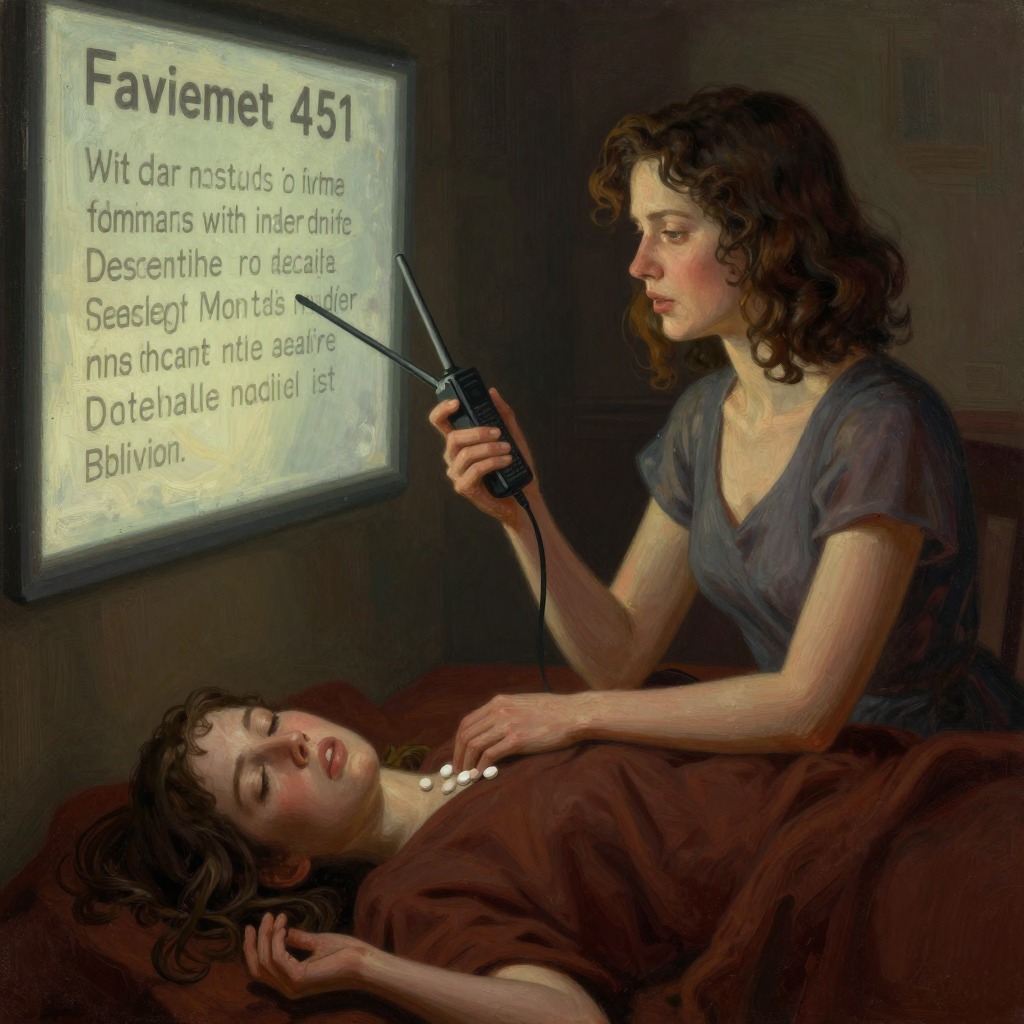
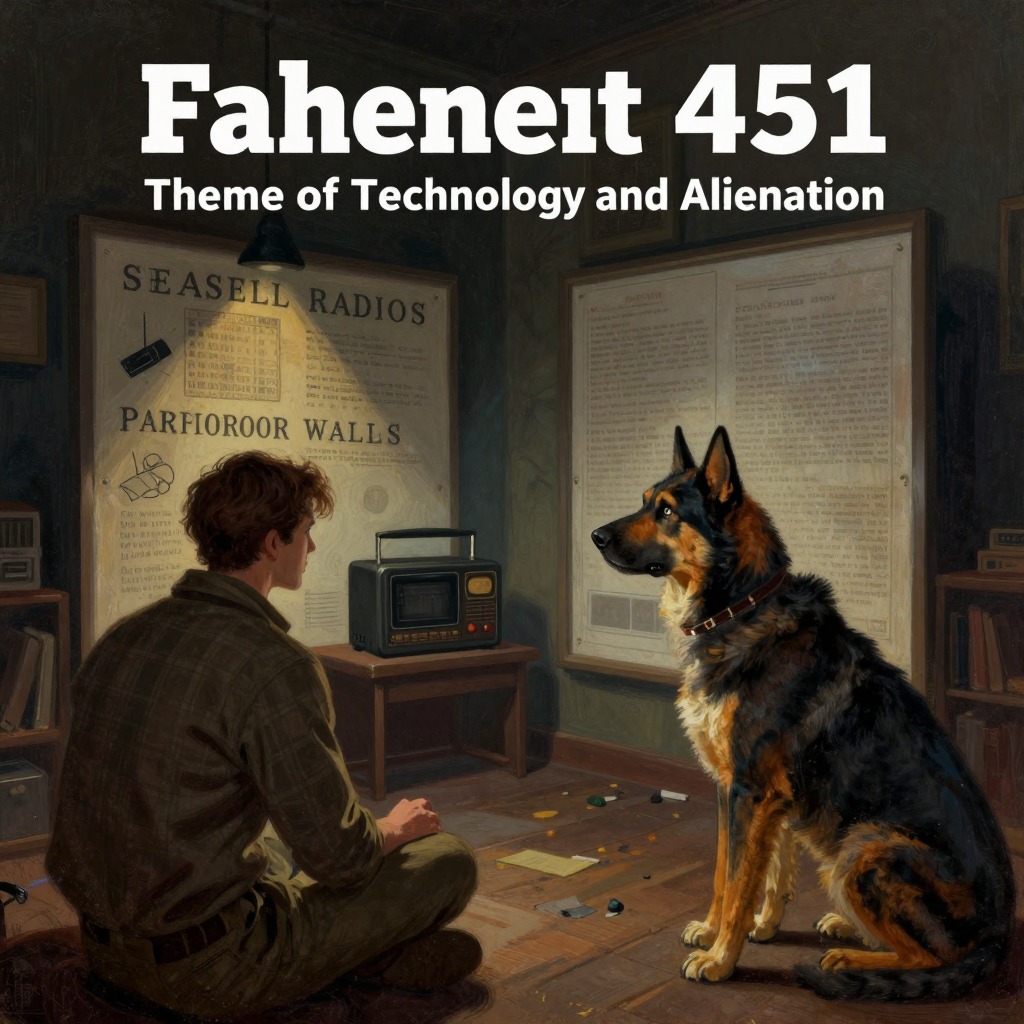
The Family is the term Mildred Montag uses for the interactive television characters who inhabit the three parlour walls of the Montag home, and whom she treats as her actual relatives. They are the central symbol of a society that has replaced genuine human relationships with a constant, emotionally empty stream of programmed entertainment. Mildred refers to them as "my family" and spends nearly all her waking hours in their company, participating in their scripted dramas by speaking lines that have been mailed to her in advance. The Family's conversations are a meaningless jumble of clichés and non-sequiturs—"Something must be done!" "Yes, something must be done!"—that never resolve into any coherent plot or genuine conflict. The characters are given generic familial labels like "aunt" and "uncle," and Mildred cannot even name them when asked; she can only say, "Oh, you know, the bunch." The Family's world is one of pure surface: abstract colours, loud music, and violent cartoon slapstick, all designed to keep the viewer in a state of constant, thoughtless stimulation. Montag, watching them, feels "a great thunderstorm of sound" that leaves him "a victim of concussion," and he realizes that the Family's purpose is not to communicate but to drown out silence and solitude. The Family is the ultimate product of a culture that has eliminated books, front porches, and any space for quiet reflection, replacing them with a perpetual, hypnotic spectacle that keeps citizens docile and isolated from one another. Mildred's devotion to the Family is so complete that she mourns its potential destruction more than the loss of her own home: when Montag's house is burned, she flees crying, "Poor family, poor family, oh everything gone." The Family is not merely a form of entertainment but a total environment, a substitute reality that has made the actual world—and the people in it—irrelevant.